What Small Exterior Problems Reveal Before Siding Repair
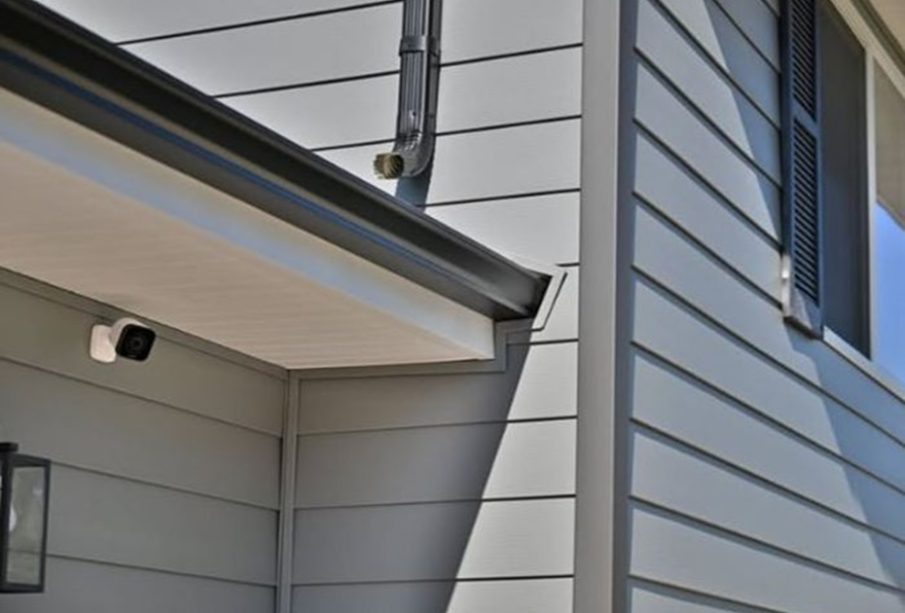
A loose panel or small crack may seem like an isolated exterior problem, but its location often tells a larger story. Damage near a corner experiences different conditions from a gap beneath a window, while impact marks spread across one wall may point toward a recent storm rather than ordinary aging.
Good siding repair starts by looking beyond the first damaged piece. The surrounding panels, trim, joints, wall openings, moisture patterns, and weather exposure all provide useful context. In Dallas, strong sun, summer heat, hail, and wind add another layer to the inspection because one side of a house may experience much more wear than another.
Start With Where the Damage Appeared
Location matters when evaluating siding damage. A cracked panel in the middle of a broad wall presents a different situation from one beside a window, door, roofline, or exterior corner.
Look several feet around the visible problem. Check for loose sections, gaps, fading, warped material, failed joints, or nearby pieces that no longer line up correctly.
Conservation Siding Replacement of Dallas currently describes repair as a practical option for concentrated problems such as cracks, loose panels, impact marks, gaps, and other isolated trouble spots when the surrounding material remains in good condition.
That surrounding condition is important. Fixing one panel makes more sense when the rest of the wall still has plenty of useful life left.
Hail Damage May Be Concentrated on One Elevation
North Texas storms do not always affect every wall equally. Wind direction may drive hail toward one side of the house while leaving another elevation with little visible damage.
After a storm, compare several walls rather than inspecting only the most obvious spot. Look at siding, corners, trim, shutters, gutters, and other exterior materials for patterns of impact.
A few isolated marks may lead to a focused repair. Damage spread across several sections creates a different conversation.
For information about Dallas siding repair, replacement, installation, and available siding materials, Conservation Siding Replacement of Dallas provides current service details for local properties.
Loose Panels Need More Than a Quick Push Back Into Place
A loose siding panel may move during wind, rattle against the wall, or sit noticeably out of alignment with surrounding material.
Before securing it, the reason it came loose deserves attention.
Fasteners may have failed. The panel may have been damaged by impact. Material movement during temperature changes may also contribute, depending on the siding type and how it was installed.
Nearby pieces should be checked at the same time. One loose panel surrounded by secure material creates a different repair than several sections beginning to separate along the same wall.
Gaps May Appear Where Materials Meet
Siding does not cover an exterior without interruption. Windows, doors, trim, corners, vents, rooflines, and utility penetrations all create transitions where different materials meet.
Small gaps in these areas may be easier to overlook than a cracked panel, but they still deserve attention.
Check around window and door trim, exterior faucets, light fixtures, vents, and places where siding meets brick or stone. Look for joints that have opened or sections where materials have pulled apart.
During siding repair, these transition areas should be evaluated along with the visible siding because the problem may involve more than the panel itself.
Fading Alone Is Different From Physical Damage
Dallas sunlight may change the appearance of exterior materials over time. One wall may fade more noticeably than another because it receives stronger direct sun.
Fading is not the same as a crack, loose section, or impact failure.
If the siding remains physically sound, color change may be primarily an appearance concern. That distinction matters when deciding whether repair, replacement, or no immediate work makes sense.
Matching a replacement panel may become more difficult on an older exterior because the original siding has changed color after years outdoors. A new piece in the same factory color may still look different beside weathered material.
The size and visibility of the damaged area therefore become part of the repair decision.
Warped Siding Deserves a Wider Look
A panel that bows, buckles, or no longer sits flat against the wall should not automatically be treated as one bad piece.
Look along the wall from an angle. This makes alignment changes easier to see than standing directly in front of the siding.
If several panels show similar movement, fastening, temperature expansion, or conditions beneath the siding may deserve closer attention.
Conservation Siding Replacement of Dallas currently lists warped material and sections that no longer line up correctly among the conditions its contractors review during exterior evaluations.
A repair should respond to the reason the material moved rather than simply forcing the visible section back into position.
Moisture Marks Can Point Behind the Siding
Staining, soft material, peeling finishes, or repeated dampness near siding deserves attention because water may have traveled beyond the visible exterior layer.
Siding is part of a larger wall system.
The U.S. Department of Energy’s Building Science Education program explains that most exterior cladding systems allow some rainwater through joints and small gaps. A water-resistive barrier behind exterior cladding provides a drainage surface that directs this moisture downward and out of the wall.
This is why repairing a visibly damaged section without considering what sits behind it may leave part of the problem unanswered.
If siding removal exposes soft sheathing, staining, or other questionable conditions, those areas should be evaluated before the exterior is closed again.
Windows and Doors Deserve Extra Attention
Window and door openings create natural breaks in the wall’s drainage system.
Flashing and other protective materials direct water away from those vulnerable transitions. Damage to nearby siding may therefore deserve more attention than the same crack in the middle of an uninterrupted wall.
Look for staining beneath windows, gaps around trim, loose siding near corners, or areas where sealant has visibly failed.
The DOE notes that flashing around windows and doors works with the wall’s water-resistive barrier to direct water outward rather than into the wall cavity.
During siding repair, the objective should be to restore the damaged exterior while preserving those water-management details around the opening.
Corners Take Their Own Kind of Abuse
Exterior corners are exposed to weather from more than one direction. They may also receive impact from landscaping equipment, ladders, moving furniture, or other everyday activity.
A damaged corner piece affects the way two walls meet.
Inspect the siding on both sides rather than focusing only on the visibly cracked section. Look for loosened panels, distorted edges, or gaps that extend beyond the corner itself.
Corners are highly visible too. Even a technically sound repair may stand out if the new material does not match the surrounding color, texture, or profile.
Landscaping May Be Part of the Problem
Shrubs, tree branches, vines, sprinklers, and other landscaping may repeatedly contact siding.
Branches rubbing against one section during wind may scratch or loosen material. Sprinklers aimed toward the house may keep lower sections wet far more often than normal rainfall would. Dense vegetation may also limit airflow around the exterior.
Before repairing damage, look at what surrounds the wall.
Moving a sprinkler head or trimming back vegetation may reduce the chance of the same problem returning after the siding is fixed.
Repairing the material without changing the condition that damaged it may simply restart the cycle.
Previous Repairs Offer Useful Clues
Older replacement panels and patches show where the exterior has already needed attention.
Look at how those repairs are holding up. A section that has remained stable for years may indicate that the original issue was successfully contained. New damage appearing beside several previous repairs creates a different pattern.
Repair history also matters when deciding if another focused fix still makes financial and practical sense.
Conservation Siding Replacement of Dallas notes that one affected elevation and widespread deterioration represent very different projects. Its site also states that repair may fit concentrated damage while broader wear may lead to replacement.
Material Availability Can Change the Repair Scope
A straightforward repair becomes more complicated when the original siding product is no longer available.
Profiles, textures, colors, and product lines change over time. Even when a close match exists, years of sun exposure may make new siding look different beside the older material.
Ask what matching options are available before damaged pieces are removed.
A small repair on a side wall may tolerate a slight visual difference that would feel much more noticeable beside the front entry. In other cases, replacing a larger section may create a cleaner result.
The condition of the siding still comes first, but visual consistency belongs in the discussion too.
Commercial Siding Damage Has Different Priorities
A damaged panel on a business property may sit near entrances, loading zones, parking areas, or places exposed to frequent activity.
Commercial siding repair should account for how the building continues operating while the work takes place.
Conservation Siding Replacement of Dallas currently provides commercial repairs for loose panels, failed joints, impact damage, worn sections, and other isolated exterior concerns. The company states that work planning considers entrances, parking, walkways, loading areas, and occupied portions of the property.
That approach keeps the repair focused on the damaged exterior without unnecessarily disrupting the rest of the site.
Repair Makes Sense When the Problem Stays Local
Not every crack or loose panel is the beginning of a full siding replacement project.
Repair is often the more practical direction when damage remains concentrated, matching material is available, the wall behind it is in good condition, and the surrounding siding still performs as expected.
The picture changes when similar problems appear across several elevations, matching becomes increasingly difficult, or old repairs keep failing.
This is why inspecting the full affected wall matters before deciding on the scope.
A small repair should remain a small repair when the conditions support it. A wider problem should not be reduced to repeated patching simply because one panel is the easiest part to see.
Keep the Exterior in View After the Repair
Once work is complete, periodically look at the repaired area along with the surrounding wall.
Check it after strong storms and during periods of intense summer heat. Notice whether nearby joints stay aligned and whether gaps or movement return.
There is no need to inspect the siding constantly. Becoming familiar with the exterior simply makes meaningful changes easier to recognize later.
Keep the material information and repair invoice as well. Knowing which siding product, profile, and color were used may make future repairs much easier.
Fix the Cause Along With the Damaged Piece
The best repair does more than make one damaged panel disappear. It looks at why that section cracked, loosened, warped, separated, or took on moisture in the first place.
Dallas weather, hail, sun exposure, wall openings, landscaping, fastening, drainage, and previous work may all provide clues. Evaluating those conditions gives siding repair a better chance of remaining a focused solution instead of becoming the first in a series of repeated fixes.
If your exterior has cracks, loose panels, gaps, impact marks, failed joints, or another concentrated area of damage, contact Conservation Siding Replacement of Dallas to review the affected wall and determine whether repair or a broader siding project fits the condition of the property.