Shopping Trends That Are Shaping the Retail Industry
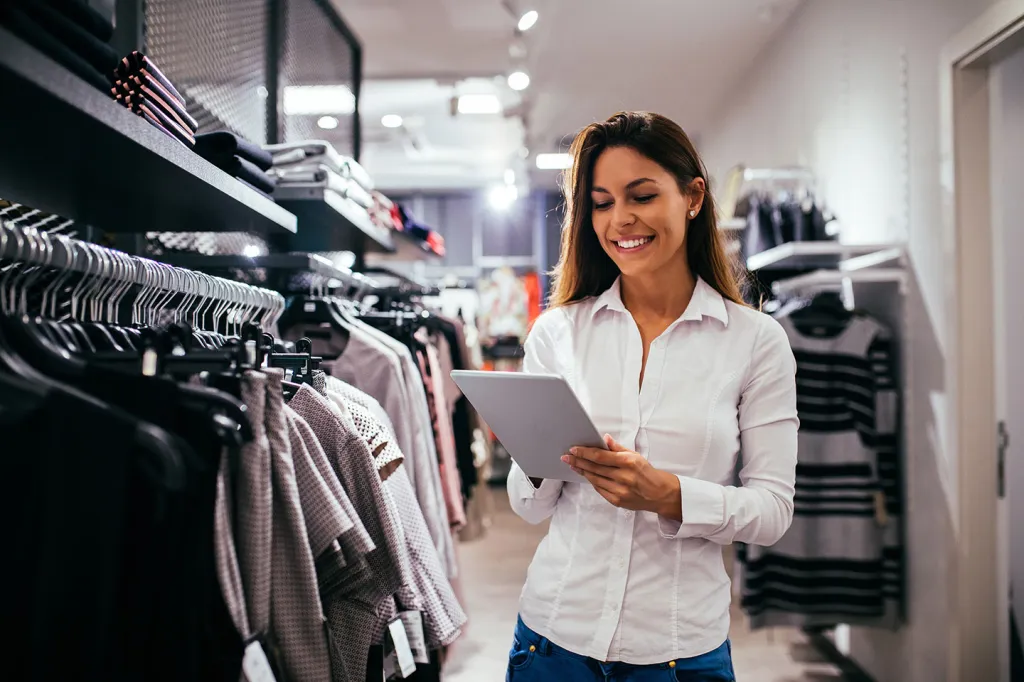
The retail landscape is experiencing a profound transformation, driven by rapid technological integration, shifting consumer psychology, and macroeconomic pressures. Modern shoppers no longer view physical and digital spaces as distinct entities. Instead, they expect a fluid, highly personalized journey that caters to their unique needs in real time.
For retail corporations, survival requires moving beyond transactional efficiency. Success is now determined by a brand’s ability to anticipate consumer intent, build deeply immersive brand worlds, and optimize operations using advanced digital intelligence.
To remain competitive, companies must align their strategies with the foundational structural shifts currently redefining how the world browses, selects, and buys products.
The Shift from Omnichannel to Omniconsumer
For over a decade, retail strategies focused on constructing an omnichannel presence, which meant building separate operational pipelines for brick-and-mortar storefronts, e-commerce websites, and mobile applications. Today, that framework has become obsolete. The industry has transitioned into an era centered entirely around the omniconsumer.
The omniconsumer does not care about a retailer’s internal organizational silos. They expect a single, unified relationship with a brand across every single touchpoint. A typical modern purchasing journey is completely non-linear. A shopper might discover an item on a social media feed while commuting, scan a barcode in a physical showroom to check sizing availability, customize the product variations via a mobile application, and ultimately choose to have it delivered directly to a local smart locker for secure pickup.
To capture the loyalty of the omniconsumer, retailers are forced to dismantle old channel divisions. Inventory systems must synchronize instantly to avoid showing a product as available online when it has just been purchased off a physical shelf. Furthermore, pricing models, promotional offers, and loyalty rewards must remain completely uniform, regardless of whether the customer is interacting through a physical point-of-sale terminal or a digital shopping cart.
Invisible AI and Agentic Commerce
Artificial intelligence has matured far beyond experimental chatbots and basic product recommendation widgets. The modern retail ecosystem runs on invisible AI, which refers to machine intelligence embedded so deeply into the operational backend that the consumer experiences its benefits without ever actively seeing the technology at work.
Predictive Merchandising and Hyper-Localization
Retailers are leveraging machine learning algorithms to process massive volumes of disparate data, including regional weather forecasts, localized economic indicators, social media sentiment trends, and historical foot traffic patterns. By analyzing these complex datasets, invisible AI can accurately predict local product demand weeks before it manifests.
This allows stores to stock hyper-localized assortments, minimizing excessive overstocking while drastically reducing the occurrence of out-of-stock items on physical shelves.
The Emergence of Agentic E-Commerce
On the consumer-facing side, the market is witnessing the rise of agentic commerce. Unlike traditional search bars that require consumers to type specific keywords and sort through endless pages of listings, autonomous AI agents are stepping in to act on behalf of the shopper.
These sophisticated digital assistants are capable of planning, comparing options across multiple platforms, building curated baskets based on a user’s explicit budget parameters, and executing secure checkouts with pre-approved consumer consent. This structural shift is moving online shopping away from active browsing and toward automated, intention-based fulfillment.
Experiential Commerce and Destination Malls
As digital platforms become increasingly transactional and optimized for speed, physical retail spaces are undergoing a massive philosophical pivot. To attract consumer foot traffic, brick-and-mortar locations can no longer function simply as storage warehouses with cash registers. They must transform into high-energy, multisensory destinations that prioritize memorable brand moments over immediate merchandise volume.
The Renaissance of Suburban Shopping Hubs
Suburban shopping centers and traditional enclosed malls are experiencing a powerful structural rebirth by rebranding themselves as experiential ecosystems. Retailers are actively cutting back on massive floor plans dedicated purely to inventory racks and replacing that square footage with interactive testing zones, educational workshops, entertainment concepts, and curated dining experiences.
By building complex environments where consumers can gather, socialize, and learn, brands are successfully driving prolonged physical dwell time, which correlates directly with increased customer lifetime value.
Augmented and Virtual Reality Integration
Within these modern flagship locations, mixed-reality technology is being deployed to eliminate long-standing friction points. Retailers are utilizing advanced augmented reality mirrors and virtual try-on kiosks, allowing shoppers to test dozens of cosmetic shades, apparel fits, or jewelry styles within seconds without ever needing to physically apply a product or step inside a changing room.
This blend of physical tangibility and digital convenience creates a highly compelling argument for consumers to leave their homes and shop in person.
The Rise of Sophisticated Private Labels and Value Redefinition
Sustained economic volatility and a tightening of global consumer purchasing power have radically altered the public definition of retail value. Modern shoppers are fiercely cost-conscious, but they refuse to sacrifice product quality, ethical manufacturing, or brand alignment simply to save money.
This unique economic tension has catalyzed an unprecedented boom in sophisticated private labels. Historically, store brands were viewed as cheap, visually unappealing imitations of name-brand consumer packaged goods. Today, major retailers are hiring world-class product designers, chefs, and scientists to launch in-house private labels that rival or exceed national premium brands in both aesthetic appeal and formulation quality.
Consumers are increasingly abandoning historical brand loyalty in favor of these proprietary store lines across fresh food, wellness items, and home apparel. Because retailers control the entire internal supply chain for private label items, they can offer these high-caliber products at a significantly lower consumer price point while simultaneously capturing much healthier profit margins than they would by selling traditional third-party name brands.
Retail Media Networks as the New Business Model
One of the most consequential financial shifts in modern retail has nothing to do with selling actual physical inventory. Retailers have realized that the first-party data they harvest through digital tracking cookies, e-commerce transactions, and loyalty card programs is incredibly valuable to third-party consumer brands. This realization has driven the exponential growth of Retail Media Networks.
By transforming their physical and digital properties into measurable advertising ecosystems, major retailers are acting as media publishers. E-commerce homepages, product detail listings, mobile apps, and even physical grocery store aisles equipped with connected digital screens are now dynamic ad spaces.
A brand looking to sell a specific organic cereal can buy hyper-targeted ad placements directly inside a major supermarket’s digital network, ensuring their product is highlighted to consumers who have a documented historical preference for organic health products. Because the gross profit margins generated by advertising data are up to four times higher than the razor-thin margins of core retail distribution, retail media networks have become a dominant revenue engine funding the broader digital transformation of the industry.
Frequently Asked Questions
What exactly is the difference between an AI chatbot and agentic commerce in retail?
A traditional retail AI chatbot is reactive, meaning it requires a consumer to initiate a conversation with a specific text prompt to receive pre-programmed customer service answers or basic product links. Agentic commerce involves autonomous AI agents that operate proactively. Once given a high-level instruction by a user, these agents can independently research products across multiple retail platforms, analyze pricing histories, build an optimized cart, and safely finalize the financial transaction without needing constant step-by-step human intervention.
How are retail companies adjusting their physical inventory to account for the widespread adoption of modern wellness medications?
The surging popularity of GLP-1 weight-loss and obesity medications is creating a tangible ripple effect across both the grocery and apparel sectors. Grocery retailers are noticing a distinct shift away from high-calorie processed foods toward nutrient-dense options, smaller single-serving portions, and protein-forward wellness items. In the fashion apparel sector, brands are actively restructuring their inventory models to produce and stock an increased volume of smaller apparel sizes while scaling back on larger garment runs to avoid excessive clearance markdowns.
Why are retail companies investing heavily in nearshoring and local supply chain diversification?
Global macroeconomic friction, trade policy uncertainties, and climate-induced shipping delays have made traditional, extended offshore supply chains highly risky and expensive. By nearshoring manufacturing operations or moving production closer to primary consumer markets, retailers can drastically cut down transit lead times. This increased proximity allows brands to respond dynamically to real-time consumer demand signals, preventing them from being trapped with obsolete inventory during rapid trend shifts.
What is the purpose of in-store retail media networks if consumers are already inside the physical building?
While a shopper is already inside a store, they are surrounded by hundreds of competing products. In-store retail media networks utilize smart shelf displays, digital endcap screens, and audio advertisements to influence buying decisions precisely at the point of purchase. By leveraging loyalty data, a store can display a highly contextual promotion for a complementary item right when a shopper places a specific brand into their physical cart, driving immediate basket size expansion.
How does a circular retail model help a brand remain profitable when it encourages people to buy used items?
Circular retail models, which include integrated resale, item rental, and product repair programs, allow retailers to capture revenue from a single physical item multiple times. By setting up authenticated, pre-loved marketplaces under their own corporate umbrella, brands can attract younger, environmentally conscious consumers who might otherwise buy used goods on unverified peer-to-peer apps. This setup keeps the customer securely inside the brand’s ecosystem while driving a steady stream of secondary transaction fees.
What specific strategies are retailers using to ensure that their sustainability initiatives do not face accusations of greenwashing?
To maintain credibility amid heightened consumer skepticism and strict regulatory compliance guidelines, forward-thinking retailers are moving away from vague marketing phrases like eco-friendly or green. Instead, companies are implementing blockchain technology and digital product passports to provide absolute supply chain transparency. This technology allows a shopper to scan a QR code on a garment to view verified third-party documentation detailing the precise origin of raw materials, water usage metrics, and fair-wage compliance data for the factory where the item was assembled.