
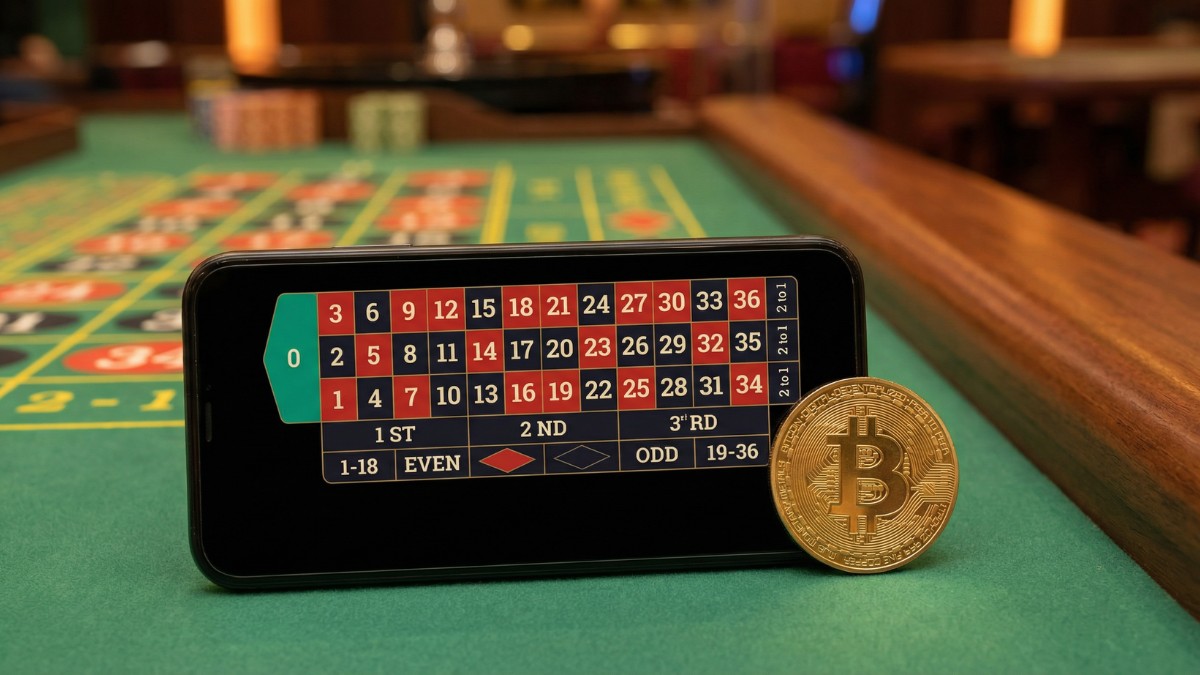
Tether and Bitcoin roulette implementations offer distinct advantages and disadvantages, creating different optimal use cases. Comparison analysis becomes valuable when choosing between options since Tether Roulette versions serve different participant preferences and priorities.
Price stability differences
Stability represents the most significant distinction, where USDT maintains $1.00 peg versus Bitcoin, experiencing substantial price fluctuations. Differences impact showing Tether enabling consistent dollar-equivalent betting while Bitcoin wagers fluctuate wildly in real-world value. Stability advantage for Tether, where 100 USDT always represents approximately $100, versus 0.002 BTC, varying between $80-$120 depending on Bitcoin price movements. Price predictability creates superior budget management through the elimination of the need for constant value recalculation during sessions. Predictability benefit is particularly pronounced during multi-hour sessions where Bitcoin potentially appreciates or depreciates 5-10% affecting effective bet magnitudes.
Transaction cost comparison
- Fee structures vary – Bitcoin mainnet fees range $2 to $20, versus USDT on Tron, costing under $1
- Network congestion impact – Bitcoin fees spiking dramatically during busy periods, while Tether alternatives maintain stability
- Deposit economics – Small deposits are becoming impractical on Bitcoin due to the percentage fee burden.
- Withdrawal efficiency – Tether enables economical small cashouts, versus Bitcoin, which favours larger consolidated withdrawals
- Alternative networks – Both offering layer-two or sidechain options, reducing costs but adding complexity
Value perception psychology
Psychology differences where Bitcoin denomination creates different mental accounting versus Tether’s dollar equivalence. Differences in manifestation through Bitcoin fractions like 0.0005 BTC, feeling abstract versus concrete 25 USDT clarity. Value perception affecting betting behaviour, where unclear Bitcoin values potentially encourage reckless wagering. Psychological advantage for Tether in maintaining intuitive dollar-based thinking patterns familiar from traditional gambling. Advantage importance since clear value comprehension supports better decision-making and risk management.
Speculation element present
Present Bitcoin speculation where holdings potentially appreciate, creating dual gambling exposure, combining roulette with cryptocurrency investment. Element absence in Tether, where a stable value eliminates investment speculation, restricting activity to pure gambling. Speculation appeal attracts participants viewing Bitcoin gambling as portfolio allocation, combining entertainment with potential asset appreciation. Dual exposure creates a complex risk-reward where Bitcoin roulette winnings potentially multiply through subsequent price increases. Complexity consideration requires participants to decide whether they want isolated gambling or combined speculation exposure.
Network selection flexibility
Variations in the flexibility of both cryptocurrencies where they support multiple blockchain networks that offer a variety of characteristics. There are a number of variations showing Bitcoin predominantly being used on the mainnet or Lightning Network in comparison to Tether that spans Ethereum, Tron, BSC, Polygon, and Solana. As one of the largest selections of options on the market, Tether provides its users with a wider choice of options, making it optimal for different use-cases. Flexibility is important since network choice significantly affects transaction costs, speeds, and user experiences. Importance of recognising that optimal network selection matches individual priorities regarding security, speed, and economy.
Tether versus Bitcoin roulette comparison encompasses price stability, transaction costs, value perception, speculation elements, and network flexibility. Each cryptocurrency offers distinct advantages suiting different participant priorities. Optimal choice depending on individual preferences regarding stability, speculation exposure, and transaction economics.