The Art of Building a Timeless Wardrobe
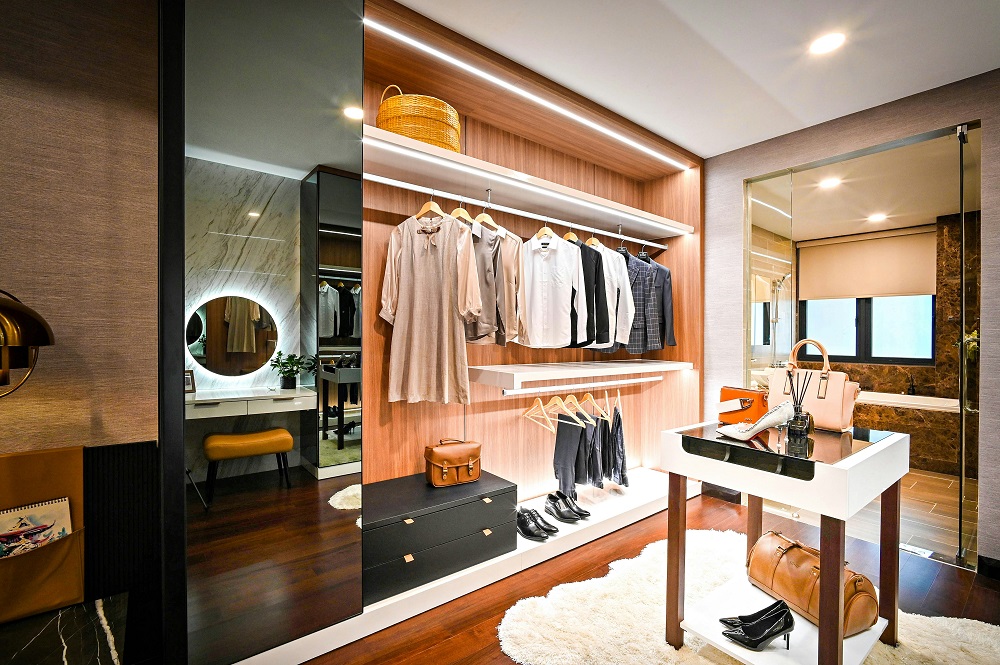
The modern fashion landscape moves at a dizzying pace. Driven by algorithmic trends, social media micro-cultures, and mass-market production cycles, styles now emerge and disappear within weeks. For consumers, this hyper-acceleration creates a frustrating trap. Closets fill with cheap, highly specific garments that feel outdated almost immediately after purchase, leading to a perpetual cycle of spending and wardrobe dissatisfaction.
There is a superior alternative to this exhausting cycle. Building a timeless wardrobe means shifting your relationship with clothing from impulsive consumption to strategic curation. A timeless wardrobe ignores the frantic noise of temporary fashion trends, focusing instead on high-quality construction, flawless fit, and classic design architecture. By mastering this art, you create a versatile collection of garments that allows you to dress effortlessly for any occasion while saving money and developing a strong, permanent sense of personal style.
The Core Philosophy: Shifting to Cost-Per-Wear Valuation
To successfully build a lasting wardrobe, you must first change how you evaluate the price of clothing. Most consumers look strictly at the upfront sticker price. A cheap, trend-focused jacket might cost forty dollars, while a beautifully crafted, classic wool overcoat costs four hundred dollars. The impulsive shopper buys the cheap jacket, viewing it as a bargain.
A timeless wardrobe strategist utilizes the metric of cost-per-wear. The cheap jacket is made from flimsy synthetic materials, fits poorly, and goes out of style within a year, meaning you might wear it five times before discarding it. This results in a cost of eight dollars per wear.
Conversely, the high-quality wool overcoat features robust construction and a silhouette that remains elegant for a decade. If you wear that coat forty times a year for five years, you will wear it two hundred times, reducing the cost-per-wear to just two dollars. Investing in superior raw materials and classic design is always the more financially responsible choice over the long term.
The Essential Foundations of a Timeless Collection
A timeless wardrobe is built on a foundation of highly versatile, interchangeable pieces. These garments function as the structural anchors of your style, allowing you to create dozens of distinct outfits by simply swapping layers and accessories.
When assembling your foundation, prioritize natural fibers like cotton, wool, silk, and linen, which breathe better, drape more elegantly, and withstand laundering far better than polyester and nylon blends. Focus on gathering these core foundational items:
-
The Tailored Blazer: A unstructured, mid-weight blazer in navy or charcoal acts as a perfect bridge between casual and formal environments. It pairs as easily with a pair of dark denim jeans as it does with formal trousers.
-
The Crisp White Button-Down: Whether crafted from dense Oxford cotton for a casual look or fine poplin for formal settings, a well-fitting white shirt is a non-negotiable staple that never goes out of style.
-
Dark-Wash Denim: Avoid jeans with artificial distressing, heavy fading, or eccentric washes. A straight-leg or slim-tapered pair of jeans in a solid, deep indigo tone remains sharp, clean, and highly versatile.
-
The Classic Outerwear Piece: A double-breasted trench coat for rainy seasons or a single-breasted wool overcoat in camel or black provides an instant layer of sophistication to any outfit beneath it.
-
The High-Quality Knitwear: Crewneck or V-neck sweaters made from merino wool or cashmere provide lightweight warmth and layer seamlessly over button-downs or underneath tailored jackets.
Mastering Fit and the Role of Professional Tailoring
The most expensive garment in the world will look terrible if it does not fit your body properly. Conversely, a modestly priced garment can look extraordinary if the proportions are perfectly dialed in. The modern apparel industry relies on mass-production sizing charts designed to fit a vague, statistical average, meaning off-the-rack clothing rarely fits anyone perfectly.
Understanding the art of tailoring is the invisible secret to a timeless wardrobe. When purchasing clothing, look for items that fit the most difficult structural points of your body first, such as the shoulders of a jacket or the widest part of your hips.
Once those anchor points match, a professional tailor can easily perform minor, high-impact adjustments:
-
Hemming trousers to eliminate excess fabric bunching around the ankles.
-
Taking in the waist of a button-down shirt to eliminate billowing fabric.
-
Tapering jacket sleeves to reveal a precise quarter-inch of your shirt cuff.
-
Adjusting the jacket torso to follow the natural lines of your silhouette without pulling.
Navigating Color and Pattern with Intention
A common reason people look at a full closet and feel they have nothing to wear is a lack of cohesive color coordination. If your wardrobe consists of random, highly vibrant colors and bold, eccentric patterns, matching items becomes a logistical headache.
A timeless wardrobe relies on a disciplined, highly intentional color palette. The baseline of your collection should consist of neutral tones: navy, charcoal, black, white, grey, beige, and olive. These colors are mathematically compatible with one another, meaning you can pull a random top and a random bottom from your closet in the dark, and they will almost certainly coordinate harmoniously.
Once your neutral foundation is established, you can safely introduce personality through subtle textures, like heavy tweed, brushed flannel, or textured piqué cotton, and small accents of color in ties, pocket squares, or knitwear.
Garment Preservation and Maintenance Routines
A timeless wardrobe requires active stewardship. High-quality garments are built to last, but their lifespan can be severely cut short by aggressive laundering habits and improper storage conditions.
To preserve your investment, move away from the habit of washing every garment after a single, light wear. Unless an item is visibly stained or retains an odor, materials like wool, denim, and heavy cotton can be worn multiple times before requiring a wash. When laundering is necessary, utilize cold water cycles and line-dry your garments instead of subjecting them to the high heat of a mechanical dryer, which breaks down fabric fibers and shrinks structural seams.
Additionally, upgrade your storage hardware. Replace flimsy wire hangers with wide wooden or cedar hangers that support the natural shoulder shape of your jackets and coats, and store knitwear folded on shelves rather than hanging to prevent the fabric from stretching out of shape over time.
FAQ
How do I transition my wardrobe to a timeless style if I am on a strict budget?
Transitioning your style does not require a massive, immediate financial investment. Start by conducting a thorough audit of your current closet, identifying and keeping the neutral items that already fit you well. When you need to acquire new pieces, avoid retail stores and explore high-end consignment shops, vintage boutiques, and digital resale marketplaces. These platforms frequently feature premium, heritage-brand garments made from exceptional fabrics at a fraction of their original retail price.
What styles of footwear are considered universally timeless for men and women?
For footwear, simplicity and structural durability are paramount. For formal and business-casual settings, dark brown or black leather loafers, Chelsea boots, and classic Oxford shoes remain standard staples. For casual environments, a clean, low-top white leather minimalist sneaker with minimal branding pairs seamlessly with everything from denim to tailored trousers, bridging the gap between comfort and style.
How do I adapt a timeless wardrobe strategy if my body weight fluctuates frequently?
If your weight fluctuates, focus on garments that possess inherent structural flexibility. Look for trousers that feature hidden elastic tabs or adjustable side-fasteners rather than rigid waistbands. When buying tailored jackets, ensure there is a small amount of seam allowance fabric inside the garment, which allows a professional tailor to easily let the jacket out or take it in as your measurements change over the validation cycle.
Are there any specific fashion patterns that never go out of style?
While solid colors are the easiest to manage, a few traditional patterns have maintained historical relevance for over a century. Subtle vertical pinstripes, classic houndstooth, understated windowpane checks, and traditional Breton horizontal stripes are widely considered timeless. The key to implementing these patterns is ensuring the scale of the pattern matches your body proportions and that you only feature one patterned item per outfit to avoid visual clutter.
How do I handle seasonal changes with a minimalist, timeless wardrobe?
Managing seasonal shifts relies entirely on the technique of intelligent fabric layering rather than buying completely separate wardrobes for summer and winter. A lightweight cotton button-down shirt can be worn solo with rolled sleeves during the summer heat. As autumn approaches, you can layer a merino wool sweater over it. When winter arrives, you can place your tailored blazer over the sweater and top the entire look with a heavy wool overcoat, utilizing the exact same core garments year-round.
How do I know if a garment in a store is actually high quality or just overpriced?
Evaluating quality requires looking closely at the internal construction details rather than the external brand logo. Turn the garment inside out and inspect the stitching; high-quality pieces feature tight, straight, and neatly finished seams with zero loose threads. For tailored jackets, check if the buttons are made from natural materials like horn or mother-of-pearl rather than cheap plastic, and test the weight and density of the fabric by holding it up to a light source to ensure the weave is robust.