How Auto Repair Shops Can Prepare for Electric Vehicle Servicing
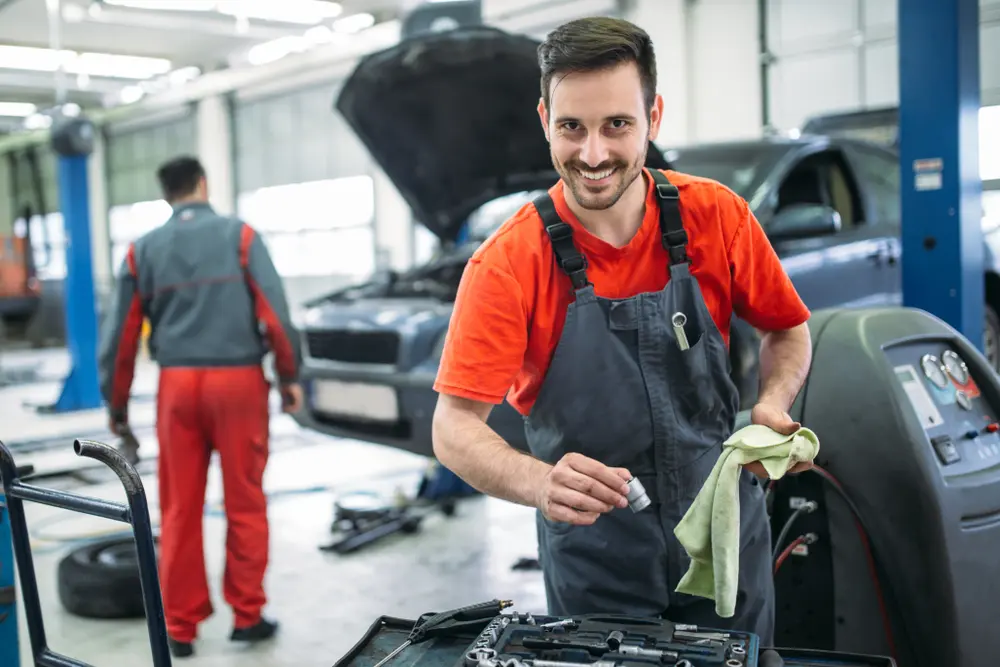
The rise of electric vehicles (EVs) is reshaping the automotive repair industry, creating new challenges and opportunities for independent repair shops. As EV adoption accelerates across the United States, traditional repair operations must adapt their business models, equipment, and skillsets to remain competitive. Preparing for electric vehicle servicing is not just about adding new tools—it requires a comprehensive strategy involving technician training, infrastructure updates, and process optimization. Understanding what it takes to service EVs efficiently and safely will determine which shops thrive in this next era of automotive technology.
The Rapid Shift Toward Electric Mobility
Electric vehicles are no longer a niche market. With government incentives, stricter emissions regulations, and growing consumer demand for sustainable transportation, EVs are becoming a mainstream choice. Automakers are investing billions into electric platforms, and by the early 2030s, EVs are expected to make up a significant portion of new vehicle sales in the U.S.
For auto repair shops, this shift means fewer oil changes and exhaust repairs but an increase in electrical diagnostics, battery servicing, and software updates. To stay relevant, repair businesses must pivot their focus toward the systems that define electric vehicles. Preparing early allows shops to establish a reputation as trusted experts in EV maintenance.
Understanding the Core Differences Between EVs and Traditional Vehicles
Before transitioning into EV servicing, shop owners need to understand how electric vehicles differ from their internal combustion engine (ICE) counterparts. EVs operate using a completely different mechanical and electrical architecture, meaning the skills, tools, and procedures required are unique.
Key Differences to Consider
- Powertrain: EVs rely on electric motors, battery packs, and power electronics instead of engines, transmissions, and exhaust systems.
- Maintenance Needs: EVs have fewer moving parts, reducing mechanical wear and tear but increasing electrical diagnostic requirements.
- Safety Risks: High-voltage systems (up to 800 volts in some models) demand strict safety protocols and specialized training.
- Software Integration: Modern EVs are software-driven, requiring frequent updates and digital diagnostics rather than traditional mechanical adjustments.
Recognizing these distinctions helps shops identify where to invest resources and how to train their technicians effectively.
Upgrading Shop Infrastructure for Electric Vehicle Servicing
Transitioning to EV service capability begins with updating the physical infrastructure of the shop. Proper workspace configuration and the right tools are essential for safety and efficiency.
1. Installing EV-Compatible Workstations
Shops should designate specific service bays for electric vehicle work. These areas must have appropriate insulation, non-conductive flooring, and clear signage to ensure technician safety. Having a separate EV bay also helps maintain compliance with safety standards and minimizes cross-contamination with traditional vehicle repairs.
2. Investing in Specialized Equipment
EV servicing requires tools that can handle high-voltage systems and unique vehicle components. Some essential investments include:
- High-voltage insulated tools to prevent electrical hazards.
- Battery lifting and handling equipment designed to safely remove or install heavy EV battery packs.
- Diagnostic scanners capable of interfacing with EV control modules.
- Thermal management tools for monitoring and maintaining optimal battery temperatures.
- Personal protective equipment (PPE) such as insulated gloves, visors, and voltage-rated footwear.
These tools not only improve technician safety but also ensure accurate diagnostics and efficient servicing.
3. Installing EV Chargers and Energy Infrastructure
Having charging stations on-site is vital for testing and maintaining electric vehicles. At least one Level 2 charger should be installed for standard use, while DC fast chargers may be necessary for higher-volume EV operations. In addition, shops should assess their electrical capacity to handle increased energy demands. Consulting with an electrical engineer ensures that the shop’s power grid can safely support multiple chargers and other high-voltage tools.
Training Technicians for the EV Era
Even with the right tools, a shop cannot properly service electric vehicles without well-trained technicians. EV systems require a different approach to diagnostics, repair, and safety than traditional vehicles.
1. High-Voltage Safety Training
Safety is the first priority when working on EVs. Technicians must complete certified high-voltage safety training to understand proper de-energization procedures, lockout/tagout protocols, and emergency response steps in case of an electrical incident. This training helps prevent accidents and ensures compliance with occupational safety regulations.
2. Electrical and Software Diagnostics
EV servicing is heavily reliant on electrical and digital diagnostics. Technicians should be skilled in interpreting wiring diagrams, voltage readings, and sensor data. Additionally, understanding how to perform software updates, troubleshoot battery management systems, and interpret diagnostic codes is essential for accurate repairs.
3. Battery Systems Expertise
The battery pack is the heart of every electric vehicle, and it represents one of the most complex systems to maintain. Technicians should be familiar with:
- Battery chemistry and degradation patterns
- Cooling systems and thermal management
- State-of-charge (SOC) and state-of-health (SOH) testing
- Safe battery removal, repair, and recycling procedures
Proper training in battery handling not only ensures safety but also opens opportunities for shops to offer advanced services like battery refurbishment or diagnostics.
4. Certification and Continuous Learning
Certifications such as ASE L3 (Light Duty Hybrid/Electric Vehicle Specialist) provide credibility and ensure technicians meet recognized industry standards. However, since EV technology evolves rapidly, ongoing education is critical. Shops should encourage technicians to attend manufacturer-led workshops, online courses, and technical seminars to stay updated.
Integrating Digital Shop Tools for Electric Vehicle Servicing
Modern auto repair operations depend heavily on digital tools, and this becomes even more important for EVs. From managing diagnostic data to tracking repair histories, digital platforms help streamline processes and improve accuracy.
Benefits of Using Digital Shop Tools
- Efficiency: Automates data entry, inspection forms, and repair orders.
- Transparency: Digital vehicle inspections provide customers with visual evidence of issues.
- Connectivity: Cloud-based systems sync repair data across multiple devices for real-time updates.
- Accuracy: Integration with diagnostic tools ensures precise readings and minimizes human error.
By implementing digital management systems, shops can handle EV servicing with higher productivity while maintaining a professional, customer-centric approach.
Establishing Safety Protocols for EV Servicing
Electric vehicles pose different risks than traditional cars, primarily due to their high-voltage components. Shops must implement strict safety policies and procedures to prevent injury and equipment damage.
Essential Safety Measures
- Isolate EVs undergoing service in clearly marked areas.
- Use insulated mats and non-conductive barriers during repair.
- Disconnect and secure the high-voltage system before starting work.
- Maintain emergency response kits and train staff on electrical accident procedures.
- Store damaged or defective battery packs in fire-resistant containment units.
Following these protocols demonstrates a commitment to safety and professionalism, instilling confidence in both employees and customers.
Expanding Service Offerings for Electric Vehicles
Once a shop is equipped and trained, expanding the service menu is the next step. EV owners will seek maintenance and repair services beyond basic diagnostics, and offering comprehensive solutions positions the shop as a full-service provider.
Common EV Services to Offer
- Battery health assessments and cooling system maintenance
- Brake system inspections (regenerative braking reduces wear but still requires periodic checks)
- Suspension and tire maintenance, since EVs are heavier than traditional vehicles
- HVAC and cabin filter services to maintain energy efficiency
- Software updates and control module programming
Providing specialized EV maintenance services creates additional revenue streams and builds long-term customer relationships.
Building Relationships with EV Owners and Communities
Customer perception plays a crucial role in business success. As the EV market grows, shops that demonstrate sustainability and expertise will naturally attract environmentally conscious customers.
Steps to Build Trust and Visibility
- Showcase EV certifications and digital tools on your website.
- Host informational workshops about EV maintenance and safety.
- Partner with local sustainability programs or electric utility companies.
- Offer eco-friendly initiatives, such as recycling old parts or using renewable energy for shop operations.
Building these connections helps position the shop as an authority in electric vehicle servicing within the local community.
The Long-Term Business Case for EV Preparation
Preparing for electric vehicle servicing is not just an operational upgrade—it’s a strategic investment in future profitability. As internal combustion engine vehicles decline, the repair market will shift toward electric mobility. Shops that adapt early will capture new business, retain loyal customers, and establish long-term stability.
Moreover, many federal and state programs offer grants, tax credits, and incentives for businesses adopting sustainable technology and workforce training. Taking advantage of these opportunities can offset the costs of transitioning to EV service readiness.
FAQs
1. How soon should auto repair shops start preparing for EV servicing?
Shops should begin as soon as possible. EV adoption is accelerating, and early preparation allows time for technician training, equipment investment, and marketing to new customers.
2. What is the biggest challenge for shops transitioning to EV services?
The primary challenge is technician training. Understanding high-voltage systems, safety procedures, and digital diagnostics takes time and specialized education.
3. Can small or independent shops realistically handle EV servicing?
Yes. Starting small—such as investing in EV-safe tools and technician certification—allows gradual integration without major disruption to existing operations.
4. Do electric vehicles require regular maintenance?
Although EVs have fewer moving parts, they still need maintenance for tires, brakes, filters, and cooling systems. Software updates and battery health checks are also essential.
5. What role does customer education play in EV servicing success?
Educating customers about EV maintenance builds trust and positions the shop as an expert resource. Clear communication about service intervals and safety helps strengthen long-term relationships.
By investing in the right tools, training, and infrastructure today, auto repair shops can confidently prepare for the electric future. The transition to electric vehicle servicing represents not just an evolution of technology, but an opportunity for growth, sustainability, and lasting industry leadership.