Understanding the Total Cost of Vehicle Ownership
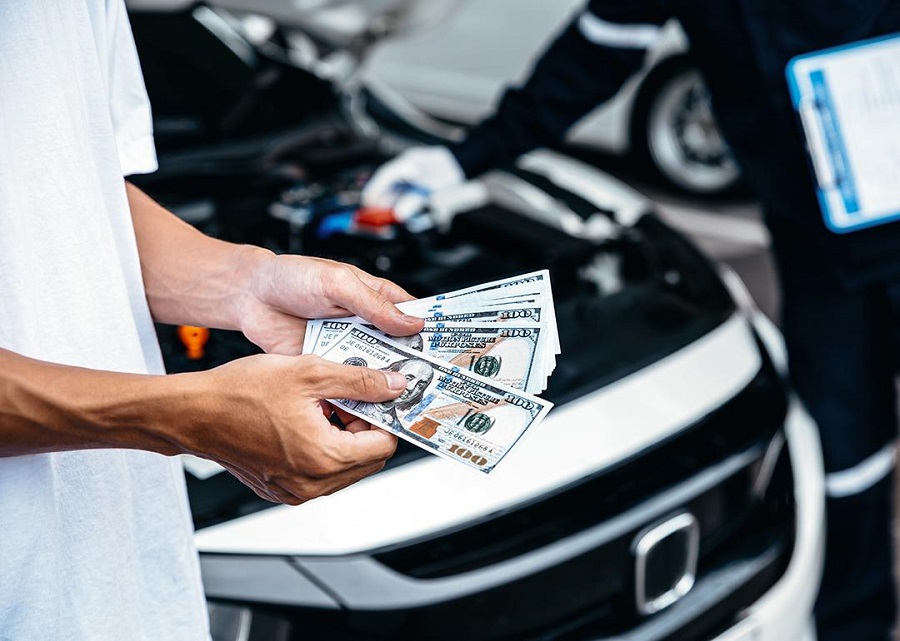
When shopping for a new or used automobile, most consumers focus almost entirely on the initial purchase price or the monthly auto loan payment. It is a natural psychological tendency to look at the sticker price as the definitive cost of the asset. However, the purchase price is merely the tip of a massive financial iceberg.
Owning a vehicle involves a continuous series of recurring expenditures that begin the exact moment you sign the purchase contract and persist until the day you sell the vehicle. To make truly informed financial decisions, car buyers must evaluate the total cost of ownership. This comprehensive framework accounts for every single dollar required to operate, maintain, insure, and shelter a vehicle over its entire useful life. Ignoring these hidden expenses can easily lead to severe budget strain and long-term financial regret.
The Silent Financial Drain: Vehicle Depreciation
Depreciation is the single largest expense associated with owning a modern automobile, yet it is almost completely invisible because it does not require a direct monthly cash outlay. Depreciation represents the steady decline in a vehicle’s market value over time due to wear, tear, mileage accumulation, and technological obsolescence.
The moment a brand-new car drives off the dealership lot, it suffers an immediate, sharp drop in value, often losing roughly twenty percent of its worth within the first twelve months. Over a five-year period, a typical mainstream vehicle can lose anywhere from fifty to sixty percent of its original purchase value. While this loss does not affect your daily checking account balance, it manifests clearly when you attempt to trade in or sell the automobile.
Choosing vehicles that historically retain their resale value or buying high-quality used cars that have already undergone their steepest initial depreciation drop are highly effective strategies for mitigating this massive, silent financial drain.
The Cost of Capital: Financing Fees and Interest Rates
Unless you are purchasing an automobile entirely with cash, the method you choose to finance the acquisition introduces a substantial long-term expense. Auto loan interest fees add thousands of dollars to the ultimate cost of a vehicle, transforming a moderately priced car into an expensive long-term commitment.
The total amount of interest paid over the life of a loan depends on three primary variables: your personal credit score, the length of the loan term, and the macroeconomic interest rate environment. In an era of extended loan terms, where seventy-two or eighty-four-month contracts have become common, the compounding interest charges can become astronomical.
Furthermore, taking out an excessively long loan increases the risk of entering an equity deficit, commonly known as being upside down or underwater. This occurs when the market value of the vehicle depreciates faster than you pay down the principal balance, leaving you owing more to the bank than the car is actually worth.
Continuous Operational Overhead: Fuel and Energy Consumption
Fuel is the most visible ongoing operational cost of vehicle ownership. Because it requires frequent, direct payments at the pump or charging station, consumers are highly aware of volatile energy prices. However, many buyers fail to calculate how these weekly payments compound over years of daily commuting and road trips.
The long-term cost of fueling a vehicle depends heavily on its fuel economy rating, your annual driving mileage, and your localized driving habits. Driving a large, inefficient truck or utility vehicle that averages fifteen miles per gallon will require thousands of dollars more in annual fuel expenditures compared to operating a highly efficient hybrid or a fully electric vehicle.
When evaluating potential purchases, consumers should perform customized calculations based on their actual expected annual mileage rather than relying strictly on generic window sticker estimates, ensuring their monthly budget can absorb potential seasonal spikes in global energy markets.
Insuring the Asset: Premiums and Risk Metrics
Automobile insurance is a mandatory ongoing expense that varies dramatically depending on factors that often have very little to do with the actual mechanical condition of the vehicle. Insurance companies utilize complex actuarial metrics to establish monthly or biannual premiums, evaluating risk across a wide spectrum of personal and vehicular data.
When you purchase a vehicle, several characteristics directly influence your insurance costs:
-
Vehicle Performance and Classification: Sports cars, high-performance engines, and specialized luxury trims command significantly higher premiums due to their higher statistical involvement in high-speed accidents and expensive body shop repairs.
-
The Cost of Replacement Parts: Modern vehicles packed with advanced driver-assistance sensors, radar arrays, and intricate light-emitting diode headlight assemblies are incredibly expensive to fix after a minor collision, driving up comprehensive insurance rates.
-
The Vehicle Theft Index: Certain make and model lines are targeted heavily by criminal networks, prompting insurers to raise rates for those specific vehicles in metropolitan areas.
-
Personal Driver Demographics: Factors such as your age, geographic zip code, historical driving record, and personal credit history play a massive role in setting your final premium structure.
Preventive Maintenance and Unanticipated Repair Costs
Every physical machine with moving parts requires ongoing maintenance to ensure safe, legal, and efficient operation. Neglecting routine care to save money in the short term is a catastrophic financial mistake that inevitably leads to major component failures later on.
Routine maintenance includes regular oil changes, tire rotations, wheel alignments, cabin air filter replacements, and brake fluid flushes. As a vehicle accumulates mileage, it enters more expensive maintenance intervals requiring new spark plugs, timing belt replacements, fresh transmission fluids, and full brake pad and rotor overhauls.
Beyond routine care, owners must budget for unexpected mechanical failures, such as broken alternators, leaking water pumps, or faulty air conditioning compressors. Once a manufacturer’s factory warranty expires, the full financial burden of these complex technical repairs falls squarely on the owner, making a dedicated vehicle emergency savings fund an absolute necessity.
Governmental Obligations: Taxes, Registration, and Fees
The financial obligations of vehicle ownership extend directly to state and local governments. Buying a car triggers immediate sales taxes, title transfer fees, and initial license plate registration charges that can add hundreds or thousands of dollars to the upfront transaction cost.
Furthermore, many jurisdictions require ongoing annual expenditures to keep the vehicle legally registered. These recurring costs often include annual registration renewal fees, mandatory safety inspections, localized emissions testing charges, and municipal property taxes based on the current assessed value of the automobile. Failing to account for these annual institutional fees can result in unexpected budget bottlenecks when your registration renewal month arrives.
FAQ
What is the difference between a manufacturer warranty and the long-term cost of repairs?
A manufacturer warranty is a contractual guarantee that covers the cost of parts and labor to fix unexpected mechanical or electrical defects for a specific period, such as three years or thirty-six thousand miles. It does not cover routine wear-and-tear items like tires, wiper blades, or brake pads. Once this warranty period expires, the owner becomes fully responsible for all repair costs, causing the total cost of ownership to rise significantly as the vehicle ages.
How does buying a used car alter the overall total cost of ownership equation compared to buying a new car?
Buying a used car radically alters the financial equation by shifting the burden of depreciation. Because the first owner absorbs the steepest value drop, a used car buyer acquires the asset at a much lower entry price, which also reduces sales taxes and insurance premiums. However, a used car typically carries a higher risk of immediate maintenance needs and lacks the protection of a full factory warranty, meaning repair costs will likely be higher.
Do fully electric vehicles have a lower total cost of ownership than traditional gasoline vehicles?
Electric vehicles generally feature a higher initial purchase price and higher insurance premiums due to complex battery technologies. However, they offer substantially lower long-term costs for fuel and maintenance. Electric powertrains eliminate oil changes, spark plugs, and exhaust systems, while regenerative braking extends brake life. For high-mileage drivers, the operational savings can completely offset the higher upfront purchase price over several years of ownership.
How do I calculate the exact annual depreciation of my current vehicle?
To estimate your vehicle’s annual depreciation, determine its current market value using reputable automotive valuation databases and subtract that number from what you paid for the vehicle. Divide the total value lost by the number of years you have owned it. To project future depreciation, research the historical market prices of older versions of the exact same make and model with higher mileage to see where your car’s value will likely land.
Does a vehicle’s color or optional trim packages impact its long-term cost of ownership?
Yes, trim packages and exterior colors directly affect depreciation and resale value. Neutral colors like white, black, silver, and gray maintain steady mass-market demand, while eccentric colors can severely limit your future buyer pool, forcing a lower sale price. Additionally, highly complex technological trim upgrades, such as air suspension systems or panoramic glass roofs, often depreciate quickly and become expensive liabilities to repair as the vehicle ages.
Why are financing interest rates higher for used cars than for brand-new cars?
Lenders charge higher interest rates on used vehicle loans because used cars represent a higher financial risk. If a borrower defaults on their loan, the bank must repossess and sell the vehicle to recover their funds. A used car has an uncertain mechanical history, higher risk of breakdown, and a less predictable market value, prompting banks to charge a higher interest rate to compensate for that increased risk.